
Table-mounted fire features are a delightful addition to any indoor or outdoor space, providing warmth and a cozy ambiance. These compact units come in various designs and fuel types, making them versatile for different settings. This article explores their essential characteristics, pros vs cons and a practical guide for creating your own mini fire pit.
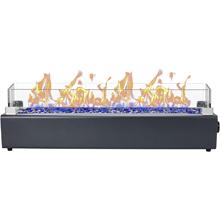
Fire Pit w/ Wind Guard
4,000 BTU Propane
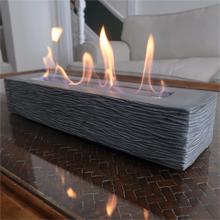
Texture Concrete Fireplace
Burns Bioethanol

Lexington Smokeless
Burns Bioethanol
Key Features of Table Fireplaces:
1. Portability: Portable fire features are designed to be easily moved, thanks to their lightweight construction. This makes them ideal for hosting outdoor gatherings, where you might want to shift the fire to different spots depending on the event’s flow.
For instance, a compact propane fire bowl can be effortlessly relocated from a patio to a backyard, ensuring warmth and ambiance wherever needed.

2. Design Variety: These fire features come in a wide range of designs, catering to different aesthetic preferences. Whether you’re aiming for a sleek, modern look with a stainless steel model or a more rustic vibe with a stone or concrete finish, there’s a design that can seamlessly blend into your outdoor decor.
For example, a minimalist concrete fire bowl can complement a contemporary patio, while a rustic copper option might be perfect for a cabin-style setting.
3. Fuel Options: The choice of fuel is crucial, as it influences both the ease of use and the ambiance created. Bio-ethanol is a clean-burning option that produces minimal smoke and can be used both indoors and outdoors.
Gel fuel offers the convenience of easy-to-manage canisters, ideal for smaller fire features. Propane is favored for its consistent flame and longer burn time, making it a reliable choice for extended gatherings. Each fuel type brings its own set of advantages, allowing you to select the one that best fits your needs.
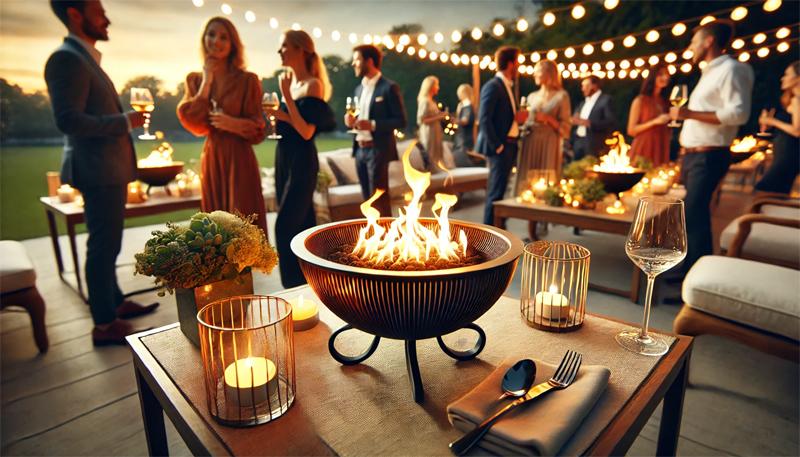
4. Ease of Use: Many portable fire features are designed with simplicity in mind. Models that run on propane often feature built-in ignition systems, so you can start your fire with just the push of a button.
Others, like those using gel fuel or bio-ethanol, can be lit with a standard lighter or match, requiring minimal setup. For example, a bio-ethanol fire bowl can be set up in seconds—just pour in the fuel, light it, and enjoy the flame.
Tabletop Fire Features VS Traditional Fireplaces and Fire Pits:

- Space Requirements: Pint-sized fires are ideal for limited spaces like balconies or patios, while traditional outdoor fireplaces and fire pits need more space and are usually permanent installations.
- Portability: Fire bowls are easy to move, offering flexibility, unlike traditional options, which are often fixed or too heavy to relocate.
- Installation and Setup: Mobile fires require minimal setup and no professional installation, unlike traditional hearths, which often need more complex installation and safety considerations.
- Fuel and Maintenance: Mini fire features use clean-burning fuels like bio-ethanol, requiring less maintenance, whereas traditional options, especially wood-burning, need regular cleaning and produce more residue.
- Heat Output: Traditional fire pits provide significant heat for larger gatherings, while miniature fires offer lower heat output, making them better suited for intimate settings.
- Aesthetic and Ambiance: Table surface fires serve as elegant centerpieces in small spaces, while traditional hearths can be focal points in larger outdoor areas, creating a central gathering spot.
- Cost Considerations: Portable fire bowls are generally more affordable and easier to set up, while traditional options are costlier but offer a long-term investment in outdoor living spaces.
Essential Safety Tips:
- Place on a Stable, Heat-Resistant Surface: Ensure your fire feature is set on a sturdy, heat-resistant surface to avoid accidental tipping or heat damage.
- Maintain Safe Distance from Flammable Materials: Keep your fire feature at least three feet away from flammable materials to reduce the risk of unintended fires.
- Never Leave Unattended: Always supervise your fire feature when in use and ensure it is fully extinguished before leaving the area to prevent accidental flare-ups.
- Use Only Recommended Fuel: Stick to the fuel type specified by the manufacturer to avoid dangerous flare-ups or inefficient burning.
- Be Mindful of Wind Conditions: Wind can destabilize flames, so take precautions to prevent the fire from spreading or extinguishing unexpectedly.
Creating Your Own Compact Fire Pit
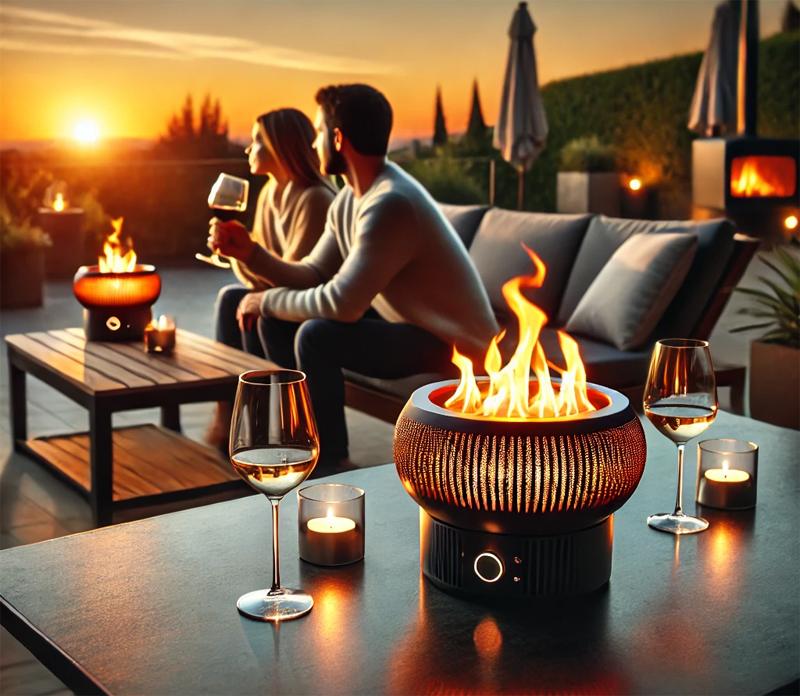
Building a mini fire pit can be a rewarding DIY project. Here’s a straightforward guide to help you get started:
Materials Needed
- A heat-resistant planter or bowl
- Sand or gravel for stability
- Decorative stones or fire glass (optional for aesthetics)
- Gel fuel or torch fluid
- A metal mesh or glass box for safety
Step-by-Step Instructions
- Prepare the Base: Fill the bottom of the planter with sand or gravel to create a stable foundation.
- Add Decorative Stones: If desired, place decorative stones on top of the sand for visual appeal.
- Insert Fuel: Carefully pour gel fuel or torch fluid into the center of the planter, ensuring it does not overflow.
- Cover with Mesh: Place a metal mesh or glass box over the fuel to contain the flames and enhance safety.
- Ignite the Fire: Use a long lighter to safely ignite the fuel. Enjoy the warmth and ambiance!
Expert Insights on Fuel Types
Understanding the different fuel types available for these fire features can help you make an informed decision:
| Fuel Type | Pros | Cons |
|---|---|---|
| Bio-Ethanol | Clean burning, no smoke or soot | Can be more expensive, requires careful handling |
| Gel Fuel | Easy to use, portable | Limited burn time, can be less efficient |
| Propane | High heat output, longer burn time | Requires a propane tank, less portable |
The Bottom Line:
Selecting the right tabletop fire feature is all about balancing aesthetics, functionality, and safety. Whether you’re drawn to the clean lines of a bio-ethanol burner or the robust flame of a propane fire bowl, the key is to choose a model that complements your space while providing the warmth and ambiance you’re after.
Remember, it’s not just about the look—consider the ease of use, portability, and fuel type to ensure your fire feature fits seamlessly into your lifestyle. With the right choice, you’ll not only enhance your décor but also create a cozy, inviting atmosphere for any occasion.
Last Updated August 13, 2024