A fire bowl brings together gentle warmth and modern design, turning even a small patio or balcony into a welcoming retreat. These compact fire features are made to sit on or beside your coffee table, delivering a cozy glow and practical heat without dominating your outdoor layout. They’re also a great option if you’re in the middle of planning a broader tabletop fire pit setup and want a flexible, space-saving piece to start with.

Whether you’re aiming for a relaxed spot to sip a drink at dusk or you want a sleek accent to complement your patio furniture, these mini fire pits offer a compact, portable way to add flame, light and a touch of drama. They’re especially handy when you don’t have room for a full fire pit table but still want that same inviting atmosphere.
Key Features to Look For Before You Buy
Start by thinking about where you’ll place your tabletop fire bowl most often. The diameter and height should suit your table so there’s still room for glasses, plates and décor. On a small bistro table, for example, a compact vessel works best; on a larger outdoor coffee table, a wider bowl can become the main fire centerpiece for your table without feeling oversized.
Material choice also matters. Concrete and stainless steel tend to be durable, weather-resistant and modern-looking, while stone or composite blends can add texture. Some models incorporate tempered glass shields, which help protect the flame from wind and keep the fire visually contained—ideal if you frequently entertain or have kids and pets nearby.
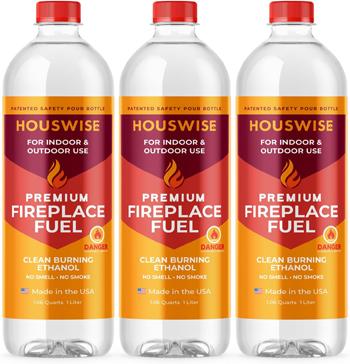
Fuel type is another major decision point. Bioethanol fuel is popular because it burns clean, produces minimal odor and can often be used indoors in well-ventilated spaces. Gel fuel is convenient and usually produces a softer flame with lower heat output, which can be perfect for smaller patios or balconies. If you’re comparing several designs, also look for bowls with adjustable flame control so you can dial the fire up for chilly evenings or turn it down for soft, flickering mood lighting.
| Feature | Why It Matters |
|---|---|
| Size | Makes sure the bowl fits your table while leaving room for drinks and décor |
| Material | Influences overall look, durability and outdoor weather resistance |
| Fuel Type | Affects heat level, convenience and whether it can be used indoors |
| Adjustable Flame Control | Lets you fine-tune flame height and ambiance for different occasions |
Tabletop Fire Bowls vs. Fire Pit Tables
Both fire bowls and fire pit tables are designed to bring warmth and atmosphere to your outdoor area, but they serve slightly different roles. Fire bowls are compact and easy to move, which makes them perfect for apartment balconies, small patios or anyone who likes to rearrange furniture often. Many bioethanol designs can also be used indoors, similar to a tabletop bio ethanol fireplace, as long as you follow the manufacturer’s safety guidelines.
Fire pit tables, by contrast, are usually larger, heavier and intended as a more permanent fixture. They produce more heat and can serve as a coffee table or even a dining surface in some layouts, making them better suited for bigger patios and regular entertaining. The trade-off is that they require more square footage and can’t be picked up and moved nearly as easily as a small bowl. If your space is limited, or you already have a full-size pit and want a secondary flame feature, a bowl-style fire pit can be a smart complement.
| Feature | Fire Bowl | Fire Pit Table |
|---|---|---|
| Portability | Lightweight and easy to move or store | Generally stationary once installed |
| Heat Output | Moderate warmth, ideal for close seating | Higher BTU; better for larger outdoor zones |
| Functionality | Mostly decorative with cozy accent heat | Dual-purpose: table surface plus strong heat |
| Space Requirements | Fits on most dining or coffee tables | Needs designated floor space and clearance |
Creative Ways to Use Your Fire Bowl
Tabletop fire bowls are incredibly flexible. On a mild evening, place one in the center of your outdoor coffee table to give everyone around it a warm focal point. The soft glow is perfect for conversation, reading or enjoying a drink without the harsh brightness of traditional outdoor lighting.
When the weather cools down, a fire bowl can act as a supplemental heat source for smaller seating areas. Indoors, bioethanol fire bowls work beautifully as modern fire centerpieces on dining or console tables, adding visual interest without the mess of wood or ash. They’re also a stylish alternative if you can’t install a traditional fireplace but still want real flame.
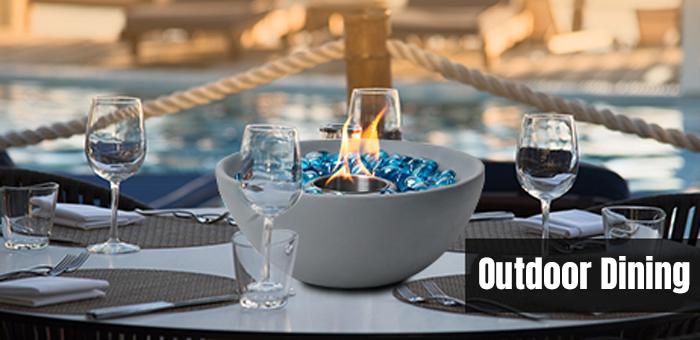
For parties or holidays, you can line up several bowls along a long table, arrange them on side tables around your seating area, or mix them with lanterns, greenery or glass pebbles to create a layered, resort-style look. If you’re planning a full outdoor refresh, it can help to think of your fire bowl as part of a larger fire bowl and heat plan so you balance light, warmth and traffic flow in the space.
Potential Problems & Smart Solutions
1. Heat Output

It’s common to wonder whether a small fire bowl will produce enough warmth, especially on breezy evenings. These pieces are primarily designed for ambience, but you can still maximize heat output from your bowl by choosing a hotter-burning fuel such as bioethanol. Models with wider burners or multiple wicks also tend to throw off more warmth than ultra-compact versions.
For bigger patios, consider using two or three bowls positioned around your conversation area so everyone feels the heat. You can also combine a tabletop bowl with a larger pit or patio heater for a layered approach that keeps guests comfortable while still enjoying the intimate look of flame on the table.
2. Fuel Cost
Another question people often have is how much it costs to run these flames. Over time, fuel expenses can add up if you use your bowl every night. A simple way to cut costs is to choose refillable bioethanol or gel canisters so you can buy fuel in larger quantities at a better price, then refill as needed instead of relying on single-use containers.
Adjustable burners also help you manage fuel consumption. Turning the flame down when you just want a soft glow extends burn time and reduces how often you need to top up the fuel. If you’re planning to use your bowl frequently, it’s worth factoring operating costs into your decision upfront so you can pick a model that balances looks, heat and long-term budget.
3. Safety Concerns
Because fire bowls are often placed close to people, safety should always be part of your setup plan. Look for designs with tempered glass surrounds or wind guards, which help keep the flame sheltered and reduce the risk of someone accidentally brushing against it. This is especially important if you’ll be using the bowl as a fire centerpiece for a dining table where guests are reaching for dishes and glasses.
Always place your fire bowl on a level, heat-resistant surface such as stone, tile or metal to avoid tipping and protect your table from heat damage. Follow the manufacturer’s directions for adding and extinguishing fuel—never top off a hot burner—and keep children and pets supervised whenever the flame is lit. With basic precautions and the right fuel setup, you can enjoy the glow with confidence.
The Bottom Line
Tabletop fire bowls deliver an appealing mix of style, portability and function, making them an easy upgrade for patios, balconies and even some indoor spaces. Their compact footprint means you don’t need a huge yard to enjoy real flame, and the variety of shapes and finishes available lets you tailor the look to your décor.
When choosing a fire bowl, focus on the essentials—size, material, fuel type and heat output—then layer in details like glass wind guards or decorative media to complete the look. With the right model and a thoughtful layout, these small yet powerful fire features can enhance everything from quiet weeknights to special celebrations, adding warmth and visual impact for years to come.