Using isopropyl alcohol as a fuel in your fire pit offers a clean, efficient burn that’s easy to manage. With minimal smoke and no residue, it’s a convenient option for creating a cozy atmosphere without the mess of traditional wood fires.
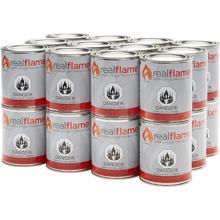
Isopropyl Gel Fuel Cans
with Crackling Fire Sounds
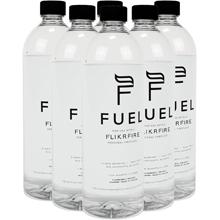
Liquid Isopropyl Fuel
Indoor/Outdoor, Smokeless
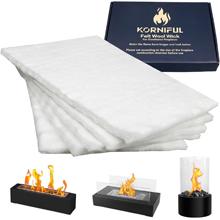
Ceramic Wool Wicks
Extends Burn Time
How Isopropyl Alcohol Works as a Fuel:
Isopropyl alcohol is an excellent fuel choice for fire bowls, delivering a clean, efficient burn with very little smoke or residue. Once ignited, it produces a bright, flickering flame that adds warmth and charm to any space.
As the alcohol heats up, it vaporizes and creates a controlled, steady flame, making it a great option for fire bowls in small outdoor areas or enclosed patios where wood fires may not be practical.
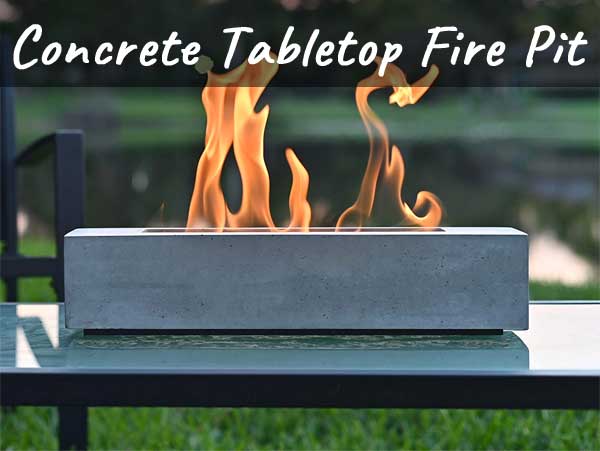
One of its key benefits is the clean burn it offers. There’s no soot, ash, or strong odors left behind, making it perfect for those who want the cozy glow of a fire without the mess or lingering smoke.
Advantages of Using Isopropyl Alcohol in Fire Bowls:
- Easy ignition: Lighting isopropyl alcohol is incredibly simple, requiring only a long-reach lighter to ignite. It catches fire almost instantly, with no need for kindling or waiting for wood to slowly build a flame, allowing you to enjoy your fire right away.
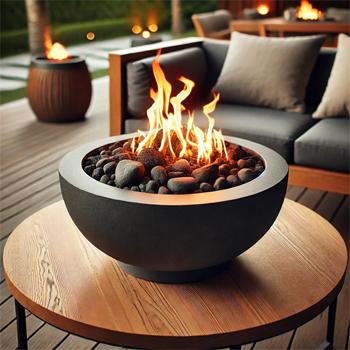
- Flame control: As a liquid fuel, isopropyl alcohol makes it easy to adjust the flame by controlling the amount you pour. For a smaller, mellow flame, use less fuel; for a brighter, more intense fire, simply add more. This flexibility lets you create the perfect ambiance for any setting.
- Clean burn: Isopropyl alcohol produces minimal smoke, making it ideal for indoor fire bowls or small outdoor spaces like patios. Its clean combustion helps maintain air quality and comfort, especially in enclosed areas where smoke could be a nuisance.
- Odor-free: Unlike wood or some other fuels, isopropyl alcohol burns without releasing unpleasant odors. This ensures a more enjoyable experience for you and your guests, keeping the air fresh and free from the strong smells that can sometimes accompany fires.
- No residue: After burning, isopropyl alcohol leaves no ash, soot, or debris behind. This keeps your fire bowl cleaner and reduces the need for post-use maintenance, allowing for hassle-free enjoyment every time.
Disadvantages:
- Short burn time: Alcohol burns relatively quickly, typically lasting between 20 minutes to an hour depending on the amount used. For longer gatherings, this means you’ll need to refill the fuel frequently, which can interrupt the ambiance.
- Cost: While this burn fuel is affordable in small quantities, using it regularly as a primary fuel for your fire pit can add up. Over time, the cost can become significant, especially for frequent users or longer burn sessions.
- Concentration requirements: For optimal performance, it’s important to use the flammable liquid with a concentration of 90% or higher. Lower concentrations may contain too much water, which can result in inefficient burning, weaker flames, or even sputtering.
Features to Look For When Buying Isopropyl:
When choosing isopropyl alcohol for your fire pit, there are a few key factors to consider. First, always go for a greater concentration. Look for isopropyl alcohol with at least 90% purity to ensure an efficient burn. Lower concentrations may contain water, which can impact flame quality and produce unwanted steam.
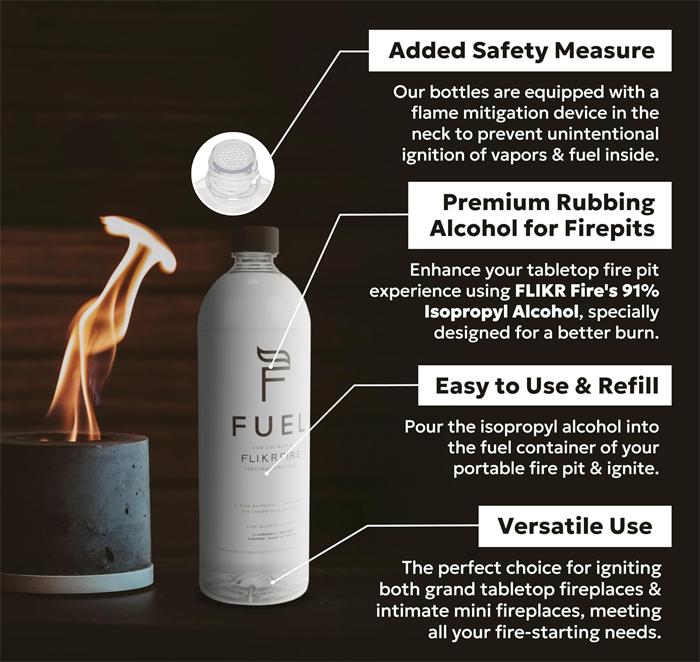
Also, make sure the alcohol is stored safely. Isopropyl alcohol is highly flammable, so keep it in a cool, dry place away from direct sunlight or heat sources.
How to Save Money:
If you’re looking to save money on isopropyl alcohol, consider these strategies. First, buy in bulk. Larger quantities often come at a reduced price per ounce, and many retailers offer discounts on multi-packs.
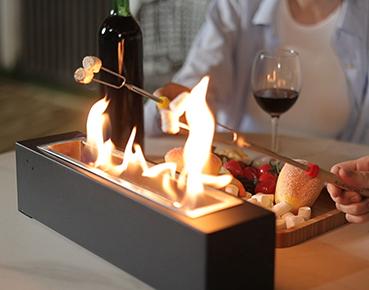
Second, add ceramic wool wicks to the fuel container. Ceramic wool extends ethanol burn time by absorbing the fuel and releasing it slowly as vapor, allowing for gradual combustion and preventing rapid evaporation. It also helps distribute heat evenly across the burner, conserving fuel.
In addition to helping you save money, this material doesn’t produce smoke or smell. It’s even safe enough to roast marshmallows over.
However, some people don’t notice greater burn time. This can happen for a few reasons, so take note before using wool wicks:
- Burner Design: Some burners aren’t optimized for ceramic wool, reducing its effect on burn time.
- Fuel Quality: Low-quality ethanol may burn faster, diminishing ceramic wool’s benefits.
- Improper Placement: Incorrect or insufficient wool placement can limit its ability to extend burn time.
- Environmental Factors: Wind, temperature, and humidity can accelerate fuel evaporation, reducing wool’s impact.
To make your fuel last longer, try controlling the flame size by adding only enough alcohol to achieve the desired ambiance, rather than filling the fire bowl to its full capacity. This helps conserve fuel without sacrificing the atmosphere.
With these strategies in mind, isopropyl alcohol becomes a cost-effective fuel choice, offering warmth and ambiance with minimal effort and cleanup.
Last Updated September 10, 2024