
Wave-style fire bowls are compact, portable tabletop fire features that burn bioethanol or gel fuel to create a clean flame with a smooth, rolling motion. Their sculpted shape turns the flame into a showpiece, so they work beautifully as a functional centerpiece in both indoor and outdoor spaces. If you’re comparing options, it helps to understand how these bowls differ from other tabletop bioethanol fireplaces and fuel types before you buy.
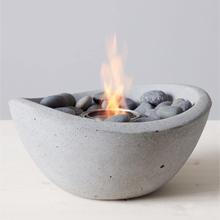
Terraflame Wave
$99
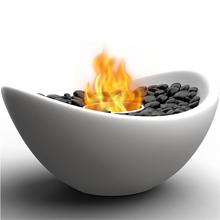
Vizayo
$59-$65
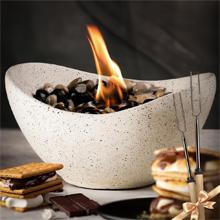
Solacea
$69-$85
How Do They Work?
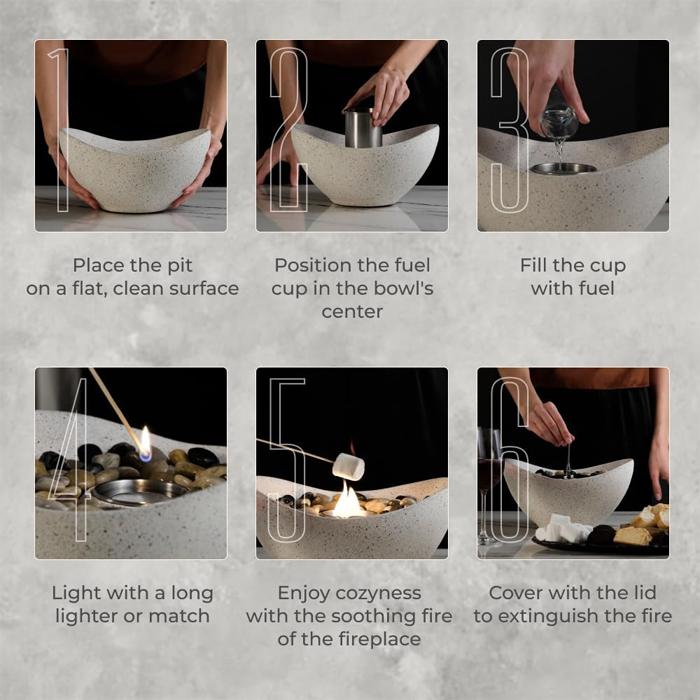
Wave fire bowls use a built-in burner reservoir that you fill with liquid bioethanol or gel fuel. Once lit, the flame follows the curved “wave” channel inside the bowl. This shape guides airflow, helping the flame drift and curl in a rolling pattern instead of sitting in a single straight line. Because clean-burning fuels are used, there’s no need for a flue or chimney, and—when used as directed—they don’t produce noticeable smoke or strong odors, making them suitable for patios, balconies, and many indoor spaces with proper ventilation.
Advantages:
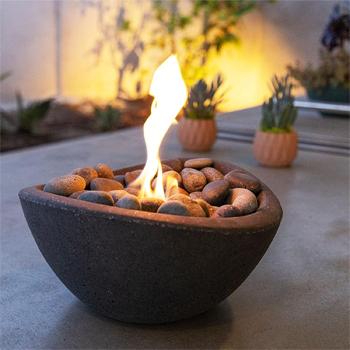
- Striking visual design: The curved burner channel creates a sculpted, wave-shaped flame that instantly becomes a focal point. On a dining or coffee table, it works beautifully as a modern fire centerpiece for your table.
- Easy to move: Most bowls are compact and relatively light, so you can shift them from living room to patio, or from outdoor dining table to side table, in a few seconds.
- Cleaner fuel choice: Bioethanol and gel are low-smoke, low-soot fuels. You get real flame without hauling wood, dealing with ash, or smelling like a campfire afterward.
- Year-round versatility: Use one outside on warm evenings for ambiance or bring it indoors in cooler weather to add a cozy glow to your space (always following the manufacturer’s safety guidelines).
- Minimal upkeep: There are no burners to unclog or grates to scrape. Let the bowl cool, wipe away any dust, and refill your burner—maintenance stays very simple compared with many larger fire pits.
Disadvantages Compared to Other Tabletop Fire Pits:
- Modest heat output: Wave fire bowls are designed primarily for atmosphere. If you’re expecting the same warmth as a full-size fire pit, you’ll likely be disappointed—they’re better for close-up, decorative use than heating a big patio.
- Fuel can add up: Bioethanol and gel fuels generally cost more per hour of burn time than propane or natural gas. If you burn your bowl for long sessions most nights, it’s worth tracking the cost to operate your fire bowl over time.
- Smaller flame size: The wave channel produces a beautiful flame line, but it’s lower and narrower than what you’ll see with many propane or wood-burning tabletop units. If you want a bigger, more dramatic flame, compare BTU output or consider a different style.
| Feature | Wave Fire Bowls | Traditional Tabletop Fire Pits |
|---|---|---|
| Design Appeal | High – sculpted, wave-shaped flame | Moderate – more conventional flame pattern |
| Heat Output | Low – best for ambiance | Medium to high, depending on fuel |
| Fuel Type | Bioethanol / Gel | Often propane or natural gas |
| Portability | High | Moderate |
| Maintenance | Low | Moderate |
Wave Flame Bowls VS Cheaper Knock-Offs:
When you compare the TerraFlame Wave to lower-cost lookalikes like Solacea and Vizayo, the differences go beyond the logo on the box. Build quality, finish, included accessories, and long-term user experience all shift slightly from brand to brand. Here’s a quick breakdown of how they compare.
1. Build Quality
- Wave: Made from very dense, weather-resistant concrete designed to handle regular use on patios and covered outdoor areas, as well as occasional indoor use when properly ventilated.
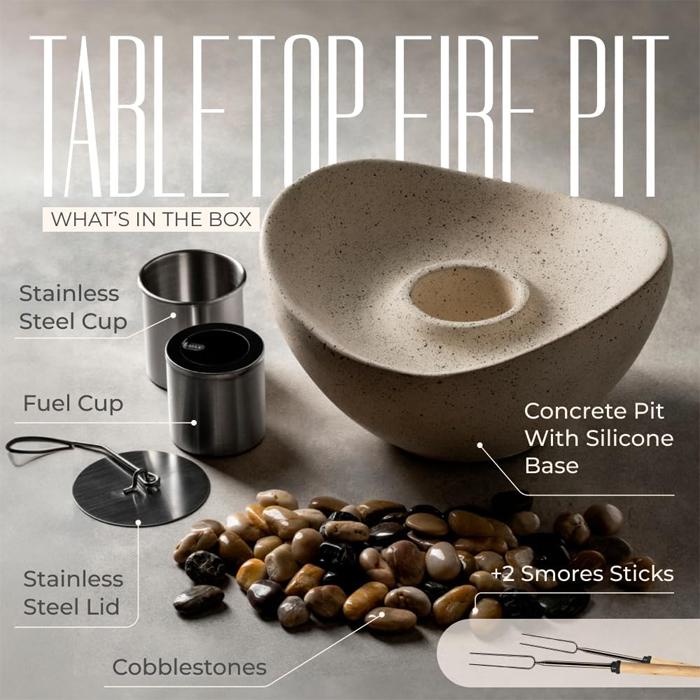
- Solacea and Vizayo: Also use solid concrete bodies, so you still get a substantial, long-lasting feel. For most casual users, the durability difference versus the higher-priced model is relatively small.
2. Design and Aesthetics
- Wave: Known for its signature wave flame channel and refined finish that suits higher-end modern décor, especially when styled as a fire centerpiece for entertaining.
- Solacea and Vizayo: Closely mimic the same wave shape. The Vizayo leans toward a sleek, ceramic-like polished look, while Solacea has more of a natural, speckled stone vibe—great if you want something a bit more organic-looking.
3. Fuel Efficiency
- Wave, Solacea & Vizayo: All three rely on the fuel you choose, so real-world efficiency comes down to the brand of gel or ethanol and how you use it. Each model is compatible with several fuel options for different burn times and costs. Adding a ceramic wool core or wick insert can help stretch each fill, which lowers your hourly operating cost across any of these bowls.
Note: The TerraFlame Wave typically ships with one canister of fuel included, while Solacea and Vizayo models often require you to purchase fuel separately.
4. Ease of Use and Maintenance
- Wave: Low-maintenance, with a smooth basin that’s easy to wipe clean after the burner cools. The included snuffer and clear instructions make setup and shutdown very straightforward.
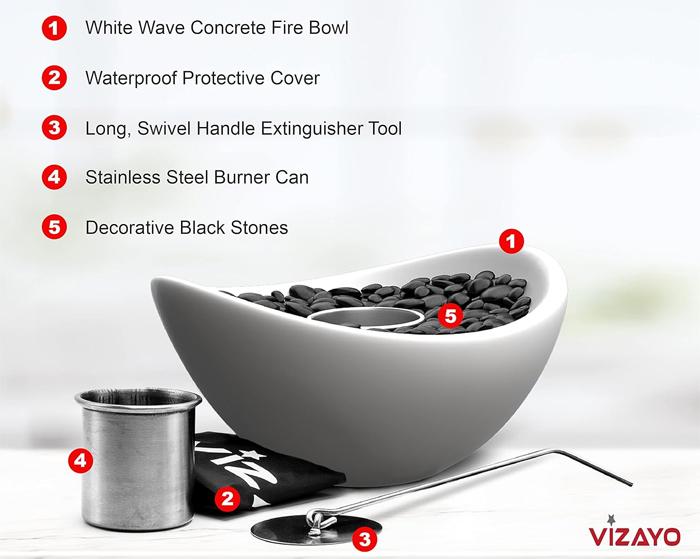
- Solacea and Vizayo: Offer a similar user experience—simple lighting and extinguishing with clean-burning fuel. The Vizayo also comes with a protective cover, which helps keep dust off the bowl when it’s not in use and can extend the life of the finish.
The Bottom Line:
Choosing between the TerraFlame Wave and more budget-friendly bowls like Solacea and Vizayo comes down to how much you value brand reputation, finishing details, and included extras versus price. TerraFlame leans into a premium feel, consistent flame performance, and polished styling that pairs nicely with other designer flame bowls and accessories.
If you want the most refined look and don’t mind paying a bit more, the Wave is a strong choice. If your priority is saving money while still enjoying the wave-flame effect and solid construction, Solacea and Vizayo offer compelling alternatives. Any of these options can deliver that hypnotic, curling flame and turn your table into a cozy, modern gathering spot.