
Wondering about the price of running a fire bowl? It’s not just about the initial purchase—fuel costs play a big part in ongoing expenses. Here’s a breakdown of what to expect, how much you’ll likely spend, and ways to keep your cash output manageable.
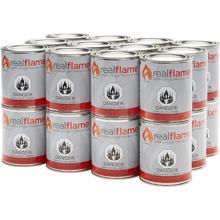
Isopropyl Gel Fuel Cans
with Crackling Fire Sounds
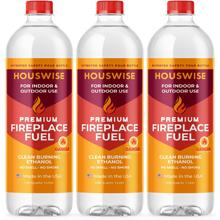
Liquid Bioethanol
Indoor/Outdoor, Smokeless
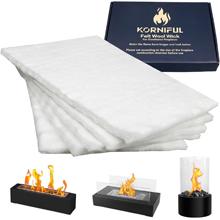
Ceramic Wool Wicks
Extends Burn Time
What Impacts the Cost?
The operating cost of a flame bowl largely depends on the fuel type, how often you use it and its efficiency. Each type—whether bioethanol, propane, or gel—has a different price and burn time. Understanding these factors helps you get the most out of your fire feature while staying within your budget.
How Much Will You Spend?
The fees vary based on fuel type and usage frequency. Here’s a breakdown of what to expect:
- Bioethanol: Expect to spend around $2 to $3 per hour of use. A liter of bioethanol typically burns for 4-5 hours, making it a good option for moderate use.
- Propane: Propane fire pits are more efficient, costing around $1.50 to $2 per hour. A standard 1-pound propane tank lasts about 2-3 hours, while larger tanks offer more extended usage.
- Gel Fuel: Gel canisters are often the most expensive option, costing about $3 to $4 per hour. However, they’re easy to replace and offer convenience for occasional users.
Step-by-Step Guide: Calculating Your Monthly Budget
- Determine Frequency: Estimate how many hours you plan to use your flame bowl per week.
- Choose Your Energy Source: Decide whether you’ll use bioethanol, propane, or gel canisters, and note the charge per hour for your chosen option.
- Do the Math: Multiply the number of hours by the fuel cost per hour. For example, using bioethanol for 10 hours a week would run around $20 to $30 per week.
- Compare: Look at alternative fuel types if the price seems high and consider investing in more efficient models.
Pros and Cons of Different Fuel Types
| Power Source | Cost Per Hour | Pros | Cons |
|---|---|---|---|
| Bioethanol | $2 – $3 | Clean-burning, renewable, longer burn time | Higher initial price |
| Propane | $1.50 – $2 | Widely available, affordable, long-lasting | Requires tanks, which need to be refilled |
| Gel Canisters | $3 – $4 | Easy to use, clean-burning | Higher cost per hour, shorter burn time |
Checklist: Key Factors That Determine Cost
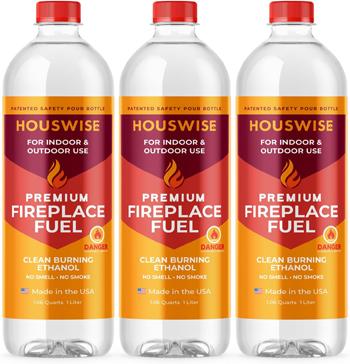
1. Fuel Type:
Bioethanol, propane, and gel each vary in price per use. Bioethanol tends to be eco-friendly and renewable but comes at a higher price per liter.
Propane is widely available and more affordable for long-term use, making it a popular choice for regular users. Gel fuel, while easy to handle and convenient, is the most expensive of the three, especially for extended use, as it requires frequent canister replacements.
2. Burn Time:
How long your fire feature operates before needing a refill directly impacts your fuel consumption. Bioethanol typically burns for about 4-5 hours per liter, while propane tanks can last anywhere from 2-5 hours depending on size.
Gel cans, however, offers shorter burn times of around 2-3 hours per canister, meaning you’ll need to replace them more often, increasing overall costs for longer usage.

3. Usage Frequency:
The more often you use your fire features, the more fuel you’ll need, adding to your running costs. Regular users who light up the flames multiple times a week will benefit from investing in larger quantities, such as bulk bioethanol or a refillable propane tank.
Occasional users, on the other hand, can opt for gel cans without worrying about high costs over time, since they’ll use it less frequently.
4. Size and Heat Output:
Larger basins or those with higher BTU outputs will naturally consume more energy, as they generate more heat and require more energy to sustain larger flames. If you’re using your flame bowl in a large outdoor space or during cooler weather, you may need a higher-output model.
However, keep in mind that higher BTU models burn gas or ethanol faster, so choosing the right size for your needs can help balance power consumption and comfort.

5. Efficiency:
Some models are designed to burn fuel more slowly, helping you save money over time. Look for fire bowls with adjustable flame settings, which allow you to control the intensity of the fire.
Lowering the flame when you don’t need maximum heat can extend burn time and reduce energy usage. Additionally, models made from heat-retentive materials, such as ceramic or stainless steel, may require less ethanol or gas to maintain warmth, improving overall efficiency.
Where Can You Save on Fuel?
Whether you’re using your fire bowl indoors or outdoors, here are simple ways to cut expenses:
- Bulk Buying: Purchasing fuel in larger quantities often leads to discounts. Stock up on bioethanol or propane to save over time and avoid frequent trips for refills.
- Use Efficiently: Keep the flame moderate to extend burn time and reduce fuel consumption. Running the fire at lower levels when intense heat isn’t necessary will help stretch your fuel further.
- Fuel Storage: Properly storing your fuel prevents wastage. Ensure propane tanks are secure, and keep bioethanol and gel in a cool, dry place to maintain fuel quality and avoid unnecessary expenses.
Using Isopropyl Alcohol in Your Fire Pit
If you use isopropyl alcohol or bioethanol, consider this money-saving tip as well.
Adding ceramic wool wicks to the fuel container can extend ethanol burn time by absorbing the fuel and releasing it gradually as vapor.
This allows for slower combustion and prevents rapid evaporation. Additionally, ceramic wool helps distribute heat more evenly across the burner, which conserves fuel and enhances efficiency.
Not only can ceramic wool save money by reducing fuel usage, but it also doesn’t produce smoke or odors, making it an eco-friendly option. However, some users may not notice a significant increase in burn time, and this can be due to several factors:
- Burner Design: Some burners aren’t designed to optimize the benefits of ceramic wool, limiting its impact on extending burn time.
- Fuel Quality: If the ethanol you’re using is low-quality, it may burn faster than expected, reducing the wool’s effectiveness.
- Improper Placement: If the ceramic wool isn’t placed correctly or there isn’t enough of it, it won’t be as effective at slowing down the fuel’s evaporation.
- Environmental Factors: External conditions like wind, temperature, and humidity can accelerate fuel evaporation, diminishing the benefits of ceramic wool.
By ensuring proper burner compatibility, using high-quality ethanol, and carefully placing the wool, you can maximize its ability to extend burn time and save on fuel costs.
Conclusion: Why the Right Fuel Choice Matters
Choosing the right fuel is about balancing cost, convenience, and performance. Bioethanol suits eco-conscious users, propane offers long-term savings with easy refueling, and gel, though pricier, is ideal for occasional use.
Operating costs depend on fuel type, usage, and burn time. Bioethanol and propane are cost-effective for regular use, while gel is best for occasional fires. Focus on efficiency and bulk buying to cut costs.
Last Updated September 12, 2024